Aspartame Risks: The Truth Behind the WHO Classification
Explore aspartame risks, the WHO classification, and why clean organic stevia offers a safer path. Hydrate with pure ingredients today.
Back when I spent my days training clients on the gym floor and advising retail accounts from GNC to Publix and 7-Eleven, I watched an unsettling pattern repeat itself every single morning. Health-conscious individuals who carefully counted every macro would routinely wash down their workouts with neon-colored drinks loaded with artificial sweeteners. Whenever I brought up aspartame risks, the common reply was, "It's zero calories, Michael, so what's the harm?" For decades, regulatory complacency gave people a false sense of security. But in 2023, the global health conversation shifted permanently when the World Health Organization put this synthetic sweetener under an international spotlight.
Today, as consumers rally behind the Make America Healthy Again (MAHA) movement, we are finally asking tough questions about ultra-processed ingredients, synthetic chemicals, and the additives lurking in our daily supplements. Let us examine what the science actually says, unpack the global rulings, and look at how we can hydrate smarter without synthetic shortcuts.
Quick Facts: Aspartame and Clean Hydration
- IARC Ruling: In July 2023, the International Agency for Research on Cancer classified aspartame as "possibly carcinogenic to humans" (Group 2B).
- Regulatory Split: While the WHO classification flagged potential hazards, federal agencies like the FDA continue to permit broad usage across thousands of consumer goods.
- Modern Sweetener Science: Contemporary clinical research has raised red flags around multiple non-nutritive sweeteners, including DNA damage from sucralose and cardiovascular markers from erythritol.
- The Clean Path: Clean-label alternatives utilize pure Organic Stevia with zero glycemic index alongside natural botanicals and no artificial colors.
Decoding the WHO Classification on Aspartame
In July 2023, two independent panels affiliated with the World Health Organization—the International Agency for Research on Cancer (IARC) and the Joint FAO/WHO Expert Committee on Food Additives (JECFA)—released coordinated assessments on aspartame. The headline was unambiguous: IARC categorized aspartame as Group 2B, denoting it as "possibly carcinogenic to humans."
To understand why this sent shockwaves through the functional food world, we have to look at what Group 2B signifies. The classification relies on limited but suggestive evidence of carcinogenicity in humans, particularly concerning hepatocellular carcinoma (a form of primary liver cancer), accompanied by limited animal research and mechanistic data. While JECFA maintained their acceptable daily intake (ADI) guidance of 0 to 40 mg per kilogram of body weight, the IARC designation underscored an urgent need for independent, high-rigor research.
When a globally recognized body issues an alert of this scale, brushing off aspartame risks as niche alarmism is no longer reasonable. If you are drinking two or three artificially sweetened beverages a day, you are essentially participating in an uncontrolled real-time trial.
Emerging Science: Beyond the Headline Aspartame Risks
Carcinogenicity concerns dominate headlines, but independent research shows potential metabolic and gastrointestinal repercussions that deserve equal attention. For years during my direct-response health career, brands claimed zero-calorie sweeteners acted as metabolic ghosts—passing through human physiology entirely unnoticed. Modern biochemistry paints a very different picture.
A foundational review in Nutrients (2021) highlighted how intense synthetic sweeteners interact with sweet taste receptors (T1R2/T1R3) throughout the gastrointestinal tract, influencing neuroendocrine pathways and altering the intestinal microbiota. Disrupting normal gut ecology can compromise nutrient absorption, steady energy delivery, and overall immune health.
Furthermore, aspartame is not an isolated offender. The entire category of artificial additives is facing intense scrutiny:
- Sucralose (Splenda): A landmark 2023 study published in the Journal of Toxicology and Environmental Health discovered that sucralose-6-acetate—an intermediate compound formed during digestion—is genotoxic, meaning it can damage cellular DNA, while simultaneously degrading intestinal barrier integrity.
- Erythritol: A prominent 2023 clinical investigation led by the Cleveland Clinic and published in Nature Medicine associated elevated circulating blood erythritol levels with heightened platelet reactivity and thrombosis risk.
- Artificial Dyes: Common colorants like Red 40 and Yellow 5 remain pervasive despite extensive literature connecting synthetic dyes to behavioral flare-ups in sensitive children and chronic oxidative stress.
Loving this read? Try the real thing.
6-Stick Sampler · FREE · Just $4.99 S&H · Zero Sugar
Faced with this compounding evidence, discerning individuals are actively choosing to shop additive-free hydration without aspartame risks to fuel their bodies cleanly.
The Regulatory Divide: FDA Additives vs Global Standards
Why does aspartame remain so prevalent in domestic products if global institutions urge caution? The discrepancy comes down to how different international agencies manage consumer safety.
In the European Union, food regulations reflect the precautionary principle: when an ingredient poses plausible health concerns, preventive measures take precedence. The EU requires specific warning notices on foods containing certain artificial dyes, and international bodies continually re-evaluate acceptable thresholds. Conversely, modern FDA additives policy leans heavily on decades-old "Generally Recognized as Safe" (GRAS) self-determinations. In the United States, ingredients such as brominated vegetable oil (BVO), potassium bromate, and specific synthetic dyes remain in wide circulation long after other developed markets have restricted or phased them out.
This regulatory lag places the burden of vigilance directly on you. Evaluating ingredient panels shouldn't require an advanced chemistry degree, yet navigating corporate claims demands careful scrutiny. To see the stark contrast between conventional formulations and mindful formulations, take a moment to see how we compare.
Choosing The Healthy Alternative® for Daily Wellness
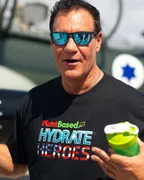
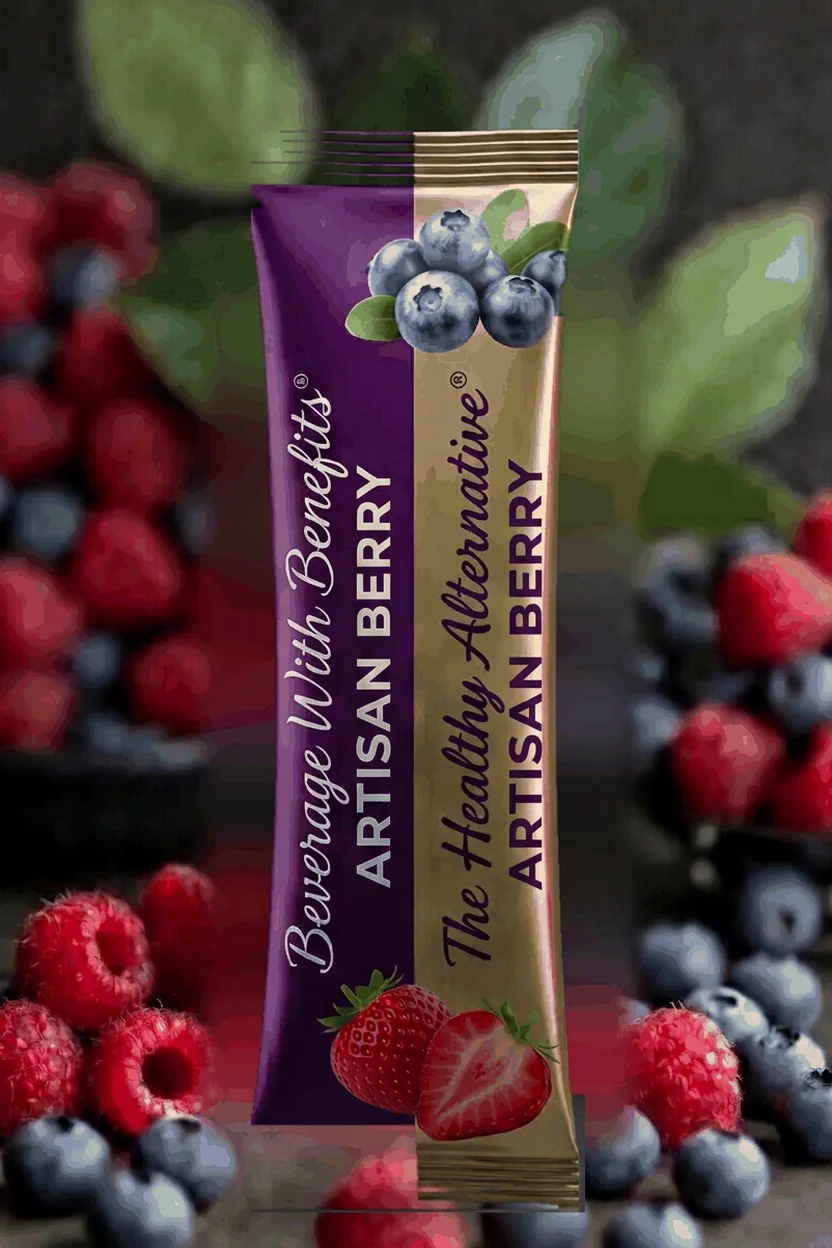
When my team and I set out to build Hydrate Heroes, we made an uncompromising promise: zero sucralose, zero erythritol, zero synthetic dyes, and no artificial sweeteners whatsoever. We built The Healthy Alternative® because active individuals deserve cellular nourishment without chemical trade-offs.
Instead of questionable laboratory compounds, we sweeten our sticks exclusively with pure Organic Stevia, which carries a glycemic index of zero, making it diabetic-friendly and keto-approved. We then elevate the blend with our functional organic mushroom complex—incorporating fruiting-body extracts of lion's mane, cordyceps, reishi, turkey tail, and chaga for natural balance and cognitive support.
We also took a deliberate stance on electrolyte balance. Conventional sports drinks often carry between 500mg and 1,000mg of sodium, designed solely for extreme endurance athletes sweating through marathon training. For everyday Lifestyle Hydration™, overloading on refined salt makes little sense. We formulated Electrolibrium™ featuring Balanced 88 Gold Sodium™: exactly 88mg of sodium per stick sourced from pristine mineral sea salt. The producer's published mineral analysis lists this salt at 90+ trace minerals. Keep in mind that at 88 milligrams of sodium, these trace elements appear in very small amounts, and we never claim they provide independent medicinal benefits. It is also worth noting that popular claims alleging pink Himalayan salt contains 84 minerals represent unverified seller marketing—independent laboratory analysis of retail pink salts published in Foods (2020) demonstrated wide elemental variability with only 25 measurable elements. We believe in total transparency over marketing myths.
Make the Clean Shift Today
You should never have to compromise your long-term cellular health just to maintain proper hydration. By leaving aspartame risks behind, rejecting chemical food dyes, and choosing real functional ingredients, you protect your body from unnecessary synthetic stress.
Join the growing clean-label movement. Experience how balanced, plant-powered nutrition feels by visiting our exclusive Hydrate Heroes welcome offer and start hydrating with pure confidence today.
Keep Reading
Ready to upgrade your hydration?
Try The Healthy Alternative® — mushroom-powered electrolytes with zero sugar.
Shop Now →Shop this topic
Try The Healthy Alternative®
6 functional mushrooms · Zero sugar · 88mg sodium · Pure Organic Stevia. The Gold Standard in Hydration.
6-Pack Sampler
$1.67/stick
6 sticks · 2 of each flavor
- All 3 hero flavors
- Just $4.99 S&H
- 30-day money-back guarantee
- First-time buyers only
Hero Club 24-Pack
$1.25/stick
24 sticks · auto-ship
- Lowest per-stick price
- Free shipping always
- Locked-in pricing
- Cancel anytime
Just $4.99 S&H · 30-Day Guarantee · Cancel Anytime