Sucralose Toxicology: DNA Damage Truth | Hydrate Heroes
2023 toxicology research links sucralose to DNA damage. Choose clean, stevia-sweetened hydration instead. Try a risk-free sample stick pack today.
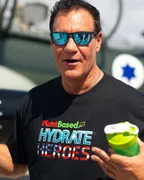
During my years working as a personal trainer and advising retail giants like GNC and Publix as a nutritional consultant, I spent thousands of hours auditing supplement ingredient labels. Client after client would bring me brightly colored "zero-sugar" hydration powders, convinced they were making a healthy choice. Yet time and again, when we dug beneath the flashy marketing, the ingredient deck told a very different story: cheap fillers, synthetic dyes, and massive doses of chlorinated artificial sweeteners. Today, modern toxicology is finally catching up to what many of us in the wellness trenches have cautioned against for years, exposing real sucralose dangers that go far beyond mild digestive upset.
For decades, commercial brands sold Splenda and sucralose as harmless sugar substitutes that simply passed through the human body unchanged. But in recent years, peer-reviewed biochemical and toxicological studies have pulled back the curtain on this chemical additive, showing that it actively breaks down into compounds capable of disrupting cellular genetics and degrading intestinal tissue. If you are drinking flavored functional waters or sports drinks daily under the impression that zero sugar automatically equates to healthy hydration, it is time to look at the toxicology data.
Key Takeaways: What the Science Really Says
- Genotoxic Metabolites: A landmark 2023 study found that sucralose-6-acetate—a compound formed during manufacturing and after human digestion—is genotoxic and directly induces DNA damage.
- Gut Barrier Disruption: Exposure to sucralose compromises the tight junctions of the human intestinal wall, increasing intestinal permeability ("leaky gut").
- Microbial Depletion: Chronic consumption drastically shifts the gut microbiome, depleting populations of beneficial commensal bacteria.
- Regulatory Lag: While the FDA still permits wide use of sucralose, other global authorities have placed tighter scrutinies on chemical food additives, aligning with the growing Make America Healthy Again (MAHA) movement.
- A Clean Path Forward: True daily wellness demands hydration free of artificial sweeteners, utilizing pure, plant-based alternatives like Organic Stevia.
The 2023 Toxicology Breakthrough: Sucralose and DNA Damage
The turning point in the conversation surrounding artificial sweeteners arrived with a critical study published in the Journal of Toxicology and Environmental Health, Part B (2023). Led by researchers at North Carolina State University and the National Institutes of Health, the team examined the biological effects of sucralose and its primary chemical impurity and metabolite: sucralose-6-acetate.
Their findings were alarming. The researchers discovered that sucralose-6-acetate is genotoxic, meaning it directly causes chemical breaks in strands of cellular DNA. When human blood cells were exposed to concentrations of sucralose-6-acetate that reflect typical human consumption patterns, the compound effectively cleaved DNA structures. Furthermore, the study noted that commercial shelf-stable sucralose already contains trace amounts of sucralose-6-acetate straight out of the package—before your digestive enzymes even begin metabolizing it.
When we talk about the reality of sucralose dangers, we are no longer just debating an upset stomach or an artificial aftertaste. We are discussing fundamental cellular integrity. DNA damage is a primary biological mechanism associated with systemic cellular senescence, mutational risk, and long-term metabolic dysfunction.
Gut Microbiome Breakdown: Beyond the Calorie-Free Myth
Beyond genomic damage, sucralose acts like a wrecking ball inside the human digestive tract. Proponents once argued that sucralose could not affect the gut because it is largely unabsorbed. However, because up to 85% of ingested sucralose passes through the digestive tract unabsorbed, it comes into prolonged, direct contact with your delicate intestinal microbiome.
Research published in Frontiers in Physiology (2022) and earlier seminal animal work in the Journal of Toxicology and Environmental Health revealed that consuming sucralose significantly diminishes beneficial anaerobic bacteria, including Bifidobacteria and Lactobacilli, while encouraging the proliferation of inflammation-associated microbes.
Even worse, the 2023 North Carolina State study demonstrated that sucralose actively damages the epithelial lining of the intestines. By downregulating the genes that govern cellular "tight junctions," sucralose degrades the gut barrier. This allows partially digested food particles, pathogens, and environmental toxins to seep into the bloodstream—a state frequently referred to as intestinal hyperpermeability. If you are struggling with unexplained brain fog, systemic fatigue, or joint discomfort, your daily "diet" electrolyte mix might be part of the problem. You can read customer reviews from people who ditched artificial sweeteners entirely and immediately felt the systemic difference in their daily energy.
Loving this read? Try the real thing.
6-Stick Sampler · FREE · Just $4.99 S&H · Zero Sugar
Why Regulatory Gaps Leave Consumers Vulnerable to Sucralose Dangers
Many consumers wonder: if this ingredient poses these threats, why is it still on grocery shelves? The truth is that federal food regulatory standards move at a glacial pace compared to independent scientific discovery.
We have seen this pattern play out repeatedly across the food industry:
- Aspartame: Classified as "possibly carcinogenic to humans" (Group 2B) by the World Health Organization's IARC in 2023, yet it remains widely permitted in domestic diet sodas.
- Erythritol: A prominent Cleveland Clinic study (2023) linked high circulating levels of this popular sugar alcohol to increased risk of blood clots and major cardiovascular events, yet it remains marketed as a "natural keto" staple.
- Synthetic Food Dyes: Colorants like Red 40 and Yellow 5, alongside brominated vegetable oil (BVO), require explicit warning labels or face full bans across the European Union and Japan, yet continue to color American functional sports drinks.
This mounting consumer frustration is precisely what fuels the MAHA movement. People are waking up to the fact that just because an industrial additive is technically legal does not mean it belongs in your body. Protecting your cellular health means actively auditing your own supplements and choosing products built with an uncompromising commitment to clean labels and no sucralose.
Clean Electrolytes vs. Chemical Cocktails: Formulating The Healthy Alternative®
When our team set out to engineer Hydrate Heroes, my experience as a direct response brand builder on HSN and QVC, combined with my nutritional background, taught me a foundational lesson: consumers deserve honesty, total transparency, and functional purity. I refused to cut corners by relying on synthetic chemical sweeteners or cheap bulking agents like maltodextrin.
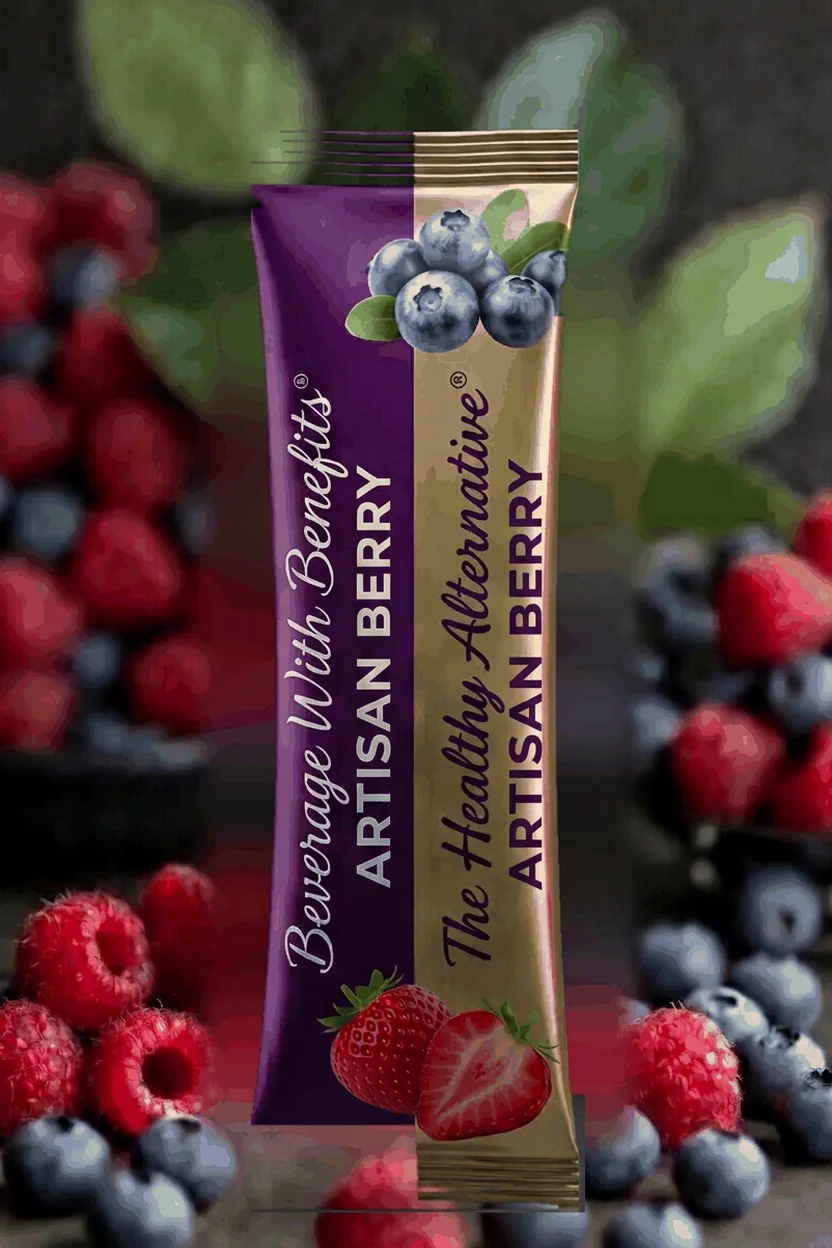
Instead, we formulated The Healthy Alternative® for everyday wellness. We sweeten our formulas exclusively with pure Organic Stevia, offering an authentic zero glycemic index without monk fruit blends, without erythritol, and without artificial additives. This makes it completely plant-based, vegan, gluten-free, Whole30 compatible, and paleo-approved.
Rather than loading our formula with 1,000mg of sodium like traditional high-sodium endurance drinks designed exclusively for elite marathons, we designed our blend for everyday Lifestyle Hydration™. Every single stick contains exactly 88mg of sodium per stick (about 4% of your Daily Value). This comes from our proprietary Balanced 88 Gold Sodium™, derived from unrefined mineral sea salt that the producer's published mineral analysis lists at 90+ trace minerals.
It is important to be clear: at 88mg of sodium, those trace minerals are present in very small amounts, and we never claim they provide curative properties. We also refuse to engage in the marketing gimmicks common in the salt industry; for example, many brands claim pink Himalayan salt contains "84 minerals," but that is an unverified marketing claim—independent peer-reviewed chemical analyses (such as Foods, 2020) evaluated 31 retail pink salts and detected only 25 measurable elements with wide variability.
To complete our Electrolibrium™ matrix, we layered in a synergistic complex of organic functional mushrooms: lion's mane, cordyceps, reishi, turkey tail, and chaga. This provides smooth, natural vitality and cognitive clarity without synthetic stimulants or chemical crashes. If you want to dive deeper into ingredient decks, see our comparison chart regarding sucralose dangers to see how modern clean-label hydration stacks up against industrial standards.
Upgrade Your Daily Routine with Clean Hydration
You should never have to sacrifice your cellular health, gut integrity, or peace of mind simply to maintain healthy electrolyte balance. Understanding the biochemical reality of sucralose dangers gives you the power to take control of your pantry and purge the industrial additives that hold your wellness back. If you are ready to evaluate how we compare to competitors and discover how clean, plant-powered electrolytes can elevate your energy, try a sampler for $9.99 and experience real daily hydration the way nature intended.
Ready to upgrade your hydration?
Try The Healthy Alternative® — mushroom-powered electrolytes with zero sugar.
Shop Now →Shop this topic
Try The Healthy Alternative®
6 functional mushrooms · Zero sugar · 88mg sodium · Pure Organic Stevia. The Gold Standard in Hydration.
6-Pack Sampler
$1.67/stick
6 sticks · 2 of each flavor
- All 3 hero flavors
- Just $4.99 S&H
- 30-day money-back guarantee
- First-time buyers only
Hero Club 24-Pack
$1.25/stick
24 sticks · auto-ship
- Lowest per-stick price
- Free shipping always
- Locked-in pricing
- Cancel anytime
Just $4.99 S&H · 30-Day Guarantee · Cancel Anytime