Sucralose vs Stevia: Which Sweetener Is Actually Better?
A side-by-side comparison of sucralose and stevia — what the research says about safety, blood sugar, gut health, taste and cost, and how to choose.
If you are standing in the supplement aisle comparing labels, the sweetener line is where most "healthy" drinks quietly fall apart. Sucralose vs stevia is the decision behind that line — one is a chlorinated synthetic compound, the other is an extract from a leaf. This guide lays out what the research actually shows, where each one makes sense, and how to choose without a chemistry degree.
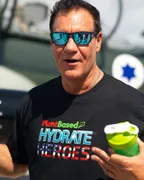
I am Michael Gardner, founder of Hydrate Heroes. Before this, I spent years in the fitness industry as a trainer and then as a consultant to brands sold through GNC, Publix, 7-Eleven and HSN/QVC. I have read a lot of ingredient decks. The sweetener was the first thing I locked down when we formulated our sticks, and it is the question I get asked about most.
Sucralose vs stevia at a glance
| Sucralose (Splenda) | Pure organic stevia | |
|---|---|---|
| Source | Synthetic — sucrose modified with chlorine atoms | Extract of the Stevia rebaudiana leaf |
| Sweetness vs sugar | ~600x | ~200–350x |
| Calories | 0 | 0 |
| Glycemic index | 0 (but see insulin research below) | 0 |
| Heat stable for baking | Yes | Yes |
| Aftertaste | Minimal for most people | Mild licorice/bitter note, varies by extract quality |
| Gut microbiome | Animal and in-vitro studies show disruption | Generally well tolerated; some fermentation of glycosides |
| Regulatory status | FDA approved; under renewed scrutiny | FDA GRAS for high-purity steviol glycosides |
| Typical use | Diet sodas, protein powders, sugar-free syrups | Clean-label supplements, teas, hydration powders |
| Cost to the manufacturer | Very cheap | Several times more expensive |
That last row explains a lot. Sucralose is not in most electrolyte powders because it is better. It is there because it is inexpensive, intensely sweet in tiny amounts, and covers up the metallic taste of cheap mineral salts.
What the research actually says about sucralose
Sucralose was approved on the premise that it passes through the body largely unabsorbed. Two things have complicated that story.
Gut microbiome and DNA. A 2023 paper in the Journal of Toxicology and Environmental Health, Part B examined sucralose-6-acetate, a compound found as an impurity in sucralose and also produced when sucralose is metabolized in the gut. In laboratory work it was genotoxic — it broke up DNA in exposed cells — and it affected gut barrier gene expression. This is in-vitro work, not a human trial, and it should be read that way. But it is the kind of finding that makes a formulator pause.
Metabolic signalling. A 2018 review in Advances in Nutrition and subsequent trials found that non-nutritive sweeteners can influence insulin response and sweetness perception even without calories. The evidence is mixed and the effect sizes are modest. The honest summary is: sucralose is not the inert placeholder it was marketed as, and researchers are still working out what that means at everyday intake levels.
The wider re-evaluation. In 2023 the WHO's IARC classified aspartame as "possibly carcinogenic to humans" (Group 2B), and the WHO separately advised against using non-sugar sweeteners for weight control. Neither statement is about sucralose specifically. Both signal that the era of treating synthetic sweeteners as automatically safe is over.
What the research says about stevia
High-purity steviol glycosides — the sweet compounds isolated from the stevia leaf — have GRAS status with the FDA and an established acceptable daily intake from JECFA, the joint FAO/WHO expert committee. Human trials have generally found no meaningful effect on blood glucose or insulin, which is why stevia is the standard recommendation for people managing blood sugar.
Stevia is not magic. Some people taste a licorice or bitter finish, especially with lower-grade extracts or with rebaudioside A used alone. Quality of the extract matters more than the word "stevia" on the label. And "stevia blends" are frequently stevia plus erythritol or maltodextrin as a bulking agent — which means the sweetener you were avoiding can arrive through the back door.
Do not skip past erythritol
Most sugar-free products that say "naturally sweetened" are sweetened mostly by erythritol, with a pinch of stevia for potency. That matters because erythritol has its own file. A 2023 Cleveland Clinic study published in Nature Medicine associated higher circulating erythritol with increased risk of major adverse cardiac events, and showed enhanced platelet reactivity in follow-up work. It is an association study with mechanistic support, not proof of causation — but combined with the well-documented digestive effects, it was enough for us to leave sugar alcohols out entirely.
We go deeper on both angles here: is erythritol safe? what the new research links to blood clots and erythritol side effects, from digestive issues to cardiovascular risk.
Sucralose vs aspartame vs stevia: the three-way comparison
Most "diet" and "zero" products use one of three sweeteners. Here is how they line up.
| Sucralose | Aspartame | Pure organic stevia | |
|---|---|---|---|
| Origin | Synthetic (chlorinated sucrose) | Synthetic (dipeptide) | Leaf extract |
| Sweetness vs sugar | ~600x | ~200x | ~200–350x |
| Heat stable | Yes | No — breaks down when baked | Yes |
| Phenylketonuria warning | No | Yes, required on label | No |
| Regulatory flag | 2023 genotoxicity research on an impurity | IARC Group 2B, "possibly carcinogenic", 2023 | GRAS; JECFA ADI established |
| Blood glucose | No direct rise | No direct rise | No meaningful effect in human trials |
| Found in | Protein powders, syrups, electrolyte mixes | Diet sodas, tabletop packets | Clean-label supplements, teas |
The pattern is consistent: the two synthetics are cheaper and have accumulated regulatory questions; the leaf extract costs more and has not.
Sucralose vs erythritol: different problems, same shelf
These two often appear together — sucralose for intensity, erythritol for bulk and mouthfeel. They fail differently.
- Sucralose is a potency sweetener used in milligram amounts. The open questions are about gut microbiome effects and the sucralose-6-acetate impurity.
- Erythritol is a sugar alcohol used in gram amounts, which is why digestive complaints are common at higher doses. The 2023 Nature Medicine work associated higher circulating erythritol with major adverse cardiac events.
If a label lists both, you are getting both risk profiles in one scoop. Our answer was to carry neither.
Sucralose or stevia: quick answers by situation
Loving this read? Try the real thing.
6-Stick Sampler · FREE · Just $4.99 S&H · Zero Sugar
| If you are... | The practical pick | Why |
|---|---|---|
| Managing type 2 diabetes or insulin resistance | Pure stevia | No meaningful glucose or insulin response in human trials |
| Doing keto | Pure stevia | Zero glycemic load, and no sugar alcohol to stall digestion |
| Pregnant or nursing | Talk to your clinician | Both are approved; individual guidance beats internet guidance |
| Buying for kids | Pure stevia | A plant-derived ingredient you can explain in one sentence |
| Sensitive to bitter aftertaste | High-purity stevia, or sucralose | Extract quality matters more than the category name |
| Drinking it every single day | Pure stevia | Daily exposure is where ingredient quality compounds |
Which should you choose? A short decision guide
Choose pure stevia if you are managing blood sugar or insulin resistance, follow keto or paleo, want a plant-derived label you can explain to your kids, or are trying to reduce synthetic additives generally.
Sucralose may be acceptable if you are sensitive to stevia's aftertaste, need a sweetener that disappears completely in a recipe, and are comfortable with the current state of the research. It is legal, approved, and consumed daily by millions of people. Our position is a formulation choice, not a health warning.
Avoid either if you react digestively — and if that is you, check whether the real culprit is a sugar alcohol hiding in the blend rather than the sweetener named on the front of the pack.
Read the full ingredient panel either way. The sweetener is rarely the only thing worth checking. Artificial colors such as Red 40 and Yellow 5 remain permitted in the US while being restricted or requiring warning labels in the EU, and maltodextrin — common as a filler — has a higher glycemic index than table sugar.
What we do at Hydrate Heroes, and why
Every Hydrate Heroes stick is sweetened with pure organic stevia. No sucralose, no erythritol, no monk fruit blends, no maltodextrin, no cane sugar, no artificial colors. Zero sugar, zero glycemic impact.
The sweetener decision sits alongside two others that define the product. Our mineral base is Balanced 88 Gold Sodium™ — 88mg of sodium per stick, drawn from a source whose producer analysis reports 90+ trace minerals, rather than the 500–1,000mg+ sodium loads built for endurance athletes mid-race. And our six functional mushrooms — lion's mane, cordyceps, reishi, turkey tail, chaga and maitake — make up the Electrolibrium™ Mushroom Blend.
If you want the label-by-label version, the comparison chart puts it next to what else is on the shelf.
Frequently asked questions
Is stevia better than sucralose for weight loss? Both are zero-calorie, so neither adds energy to your day. The honest answer is that sweetener choice alone is not a weight-loss strategy — the WHO's 2023 guidance said as much about non-sugar sweeteners generally. Choose based on ingredient quality and how your body responds.
What is the healthy alternative to sugar? For most people, the shortest answer is: less sweetness overall, and where you do want it, a plant-derived option such as high-purity stevia or small amounts of whole-food sweetness. Watch for sugar alcohols in "natural" blends.
Does stevia raise blood sugar? High-purity steviol glycosides have consistently shown no meaningful effect on blood glucose in human trials, which is why stevia is commonly used in diabetic-friendly products. Blends that contain maltodextrin are a different story.
Is sucralose banned anywhere? No. Sucralose is approved in the US, EU, UK and most major markets. The 2023 research raised questions; it did not trigger a ban.
Why does stevia taste bitter to some people? Genetics affect bitter-taste perception, and extract quality varies widely. Higher-purity extracts and better glycoside ratios reduce the aftertaste considerably.
Is sucralose worse than stevia for gut health? The available evidence points that way, but it is not settled. Animal and in-vitro work shows sucralose altering gut bacteria and gut barrier gene expression; high-purity steviol glycosides have not produced the same signals. Human data on both is thinner than anyone would like.
Is stevia natural? The sweet compounds come from a leaf, but they are extracted and purified — so "plant-derived" is more accurate than "natural" in the everyday sense. What matters on a label is whether it is pure stevia or a stevia blend padded with erythritol or maltodextrin.
What about monk fruit? Monk fruit extract is another plant-derived option with a good safety record. In practice most retail monk fruit products are 95% or more erythritol by weight, which brings the sugar alcohol back in. Read the panel, not the front of the pack.
Does the sweetener affect how much sodium I need? No, but the two decisions travel together. Cheap sweeteners are typically used to mask the metallic taste of heavy mineral loads. Our 88mg of sodium per stick does not need masking — see how that compares to 500mg and 1,000mg formulas, and what the 90+ trace minerals in our source actually are.
The bottom line
In the sucralose vs stevia comparison, sucralose is cheap, effective and increasingly questioned. Pure stevia costs more, comes from a leaf, and has held up well under scrutiny. For a product people drink every single day, that trade was not close for us.
Want to taste the difference rather than read about it? Try the 6-stick sampler or browse the full range.
To your health,
Michael Gardner Founder & CEO, Hydrate Heroes
Ready to upgrade your hydration?
Try The Healthy Alternative® — mushroom-powered electrolytes with zero sugar.
Shop Now →Shop this topic
Try The Healthy Alternative®
6 functional mushrooms · Zero sugar · 88mg sodium · Pure Organic Stevia. The Gold Standard in Hydration.
6-Pack Sampler
$1.67/stick
6 sticks · 2 of each flavor
- All 3 hero flavors
- Just $4.99 S&H
- 30-day money-back guarantee
- First-time buyers only
Hero Club 24-Pack
$1.25/stick
24 sticks · auto-ship
- Lowest per-stick price
- Free shipping always
- Locked-in pricing
- Cancel anytime
Just $4.99 S&H · 30-Day Guarantee · Cancel Anytime